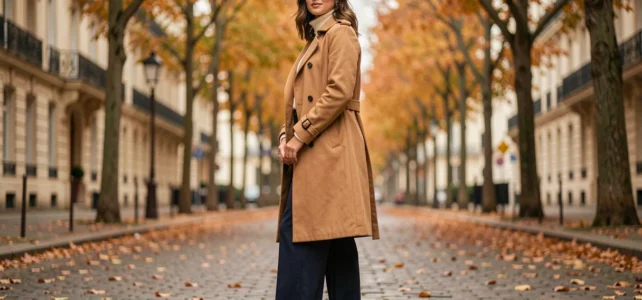
This season’s feminine style is built around a new approach: choosing pieces that last through multiple seasons rather than accumulating one-off purchases. This approach is not just an aesthetic stance. The French anti-fast fashion law, which will come into effect on September 1, 2026, introduces a financial penalty that can range from €0.25 to €12 per item deemed non-sustainable. The seasonal wardrobe is therefore being rethought in terms of longevity, versatility, and textile coherence.
Textile Penalty and Feminine Style: What the Regulation Changes
Most fashion guides ignore the regulatory framework. This is a mistake because the anti-fast fashion penalty directly modifies the price of clothing starting in the fall of 2026. Specifically, items made with unsustainable materials or produced under conditions that do not meet the criteria set by the law will cost more on the shelves.
For feminine style, the consequence is twofold. First, basics made from natural fibers (thick cotton, linen, merino wool) become comparatively more advantageous. Second, items with high turnover (micro-trend tops, disposable accessories) lose their economic appeal.
Adapting your wardrobe to this new reality does not require a complete overhaul. It is enough to check the textile composition before purchase and to favor cuts that work across multiple seasons. By exploring women’s fashion on Shop Mania, it is possible to quickly compare materials and price ranges to guide your choices.
Second-Hand and Circular Fashion: An Underestimated Style Lever
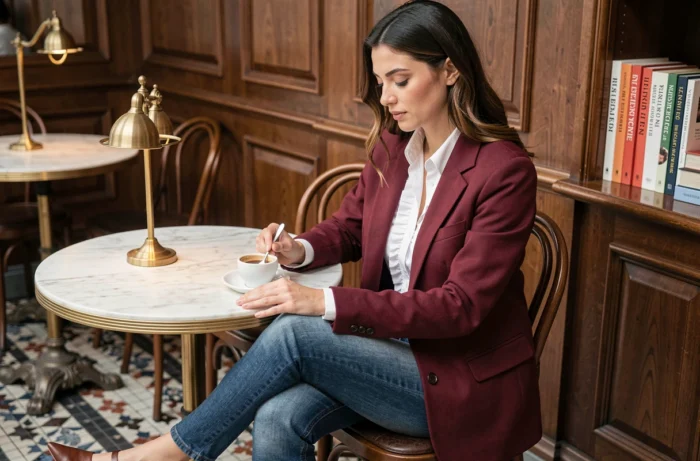
The circular fashion market in France (resale, rental, repair, upcycling) is estimated to be worth $7 billion in 2025, with an annual growth rate of nearly 10%. Women’s clothing dominates this segment with a share exceeding 60% of second-hand transactions. Dresses and tops represent the most sought-after category.
This figure reflects a concrete change in how to compose a look. Buying a vintage dress in good condition or a well-worn pair of raw jeans allows you to obtain pieces with a patina and cut that new items at the same price do not offer.
Three Criteria for Choosing Second-Hand Wisely
- The condition of seams and finishes: turn the garment inside out to check the topstitching, hems, and button strength. A defect at this level indicates advanced wear that ironing will not fix.
- The fabric composition: favor pieces with at least 80% natural fibers (cotton, linen, silk, wool). Blends with a high synthetic proportion pill quickly after a few additional washes.
- The cut in relation to the silhouette: a second-hand piece is not always easy to alter. Check that the shoulders fall in the right place and that the waist fits, as these two points are the most expensive to modify.
Second-hand already represents more than 7% of the volumes of clothing and shoes consumed in France. This proportion will continue to increase, meaning that the reflex to look for second-hand options before buying new will become a gesture of style as much as of budget.
Colors and Materials to Favor for a Versatile Look
Pastel tones and pink in all its shades dominate the spring-summer 2026 collections. This palette works well for upper pieces (blouses, light sweaters, short jackets) because it pairs easily with a neutral bottom: raw jeans, beige trousers, black straight skirts.
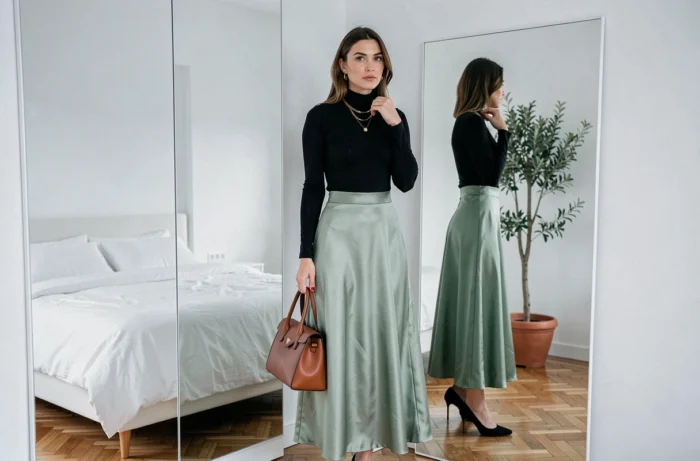
For the back-to-school season and autumn, rich materials take over. Velvet and leather are making a strong comeback on jackets, coats, and accessories. Sequins and silver details are also making their way onto everyday pieces (bags, shoes), in a controlled disco style.
Pairing Strong Pieces Without Overloading the Outfit
A simple rule works in most cases: one strong personality piece per outfit. If the jacket is velvet, the rest of the silhouette remains understated. If the shoes are animal print mules, the top and bottom stay solid.
This logic of contrast allows for varying looks with a limited number of garments. The same fitted black trousers can completely change their vibe depending on whether they are worn with an oversized pastel sweater or a leather funnel-collared jacket.
Key Accessories: Brooches, Mules, and Skull Caps
This season’s accessories stand out for their ability to transform a basic outfit. Three pieces are capturing attention on the runways and in the streets:
- XXL brooches (floral patterns, feathers, crafted metal) can be pinned to a jacket lapel, a shirt collar, or even a bag. They add a focal point without altering the garment.
- Mules, now the ultimate transitional shoe, work well with both jeans and midi dresses. Their advantage: they visually elongate the silhouette while remaining comfortable.
- The skull cap, a very fitted beanie, adds a graphic touch to any autumn outfit. It is worn low on the forehead for a structured effect, far from the loose and casual beanie.
These three accessories have one thing in common: they cost less than a complete outfit and allow for refreshing an existing wardrobe without massive purchases.
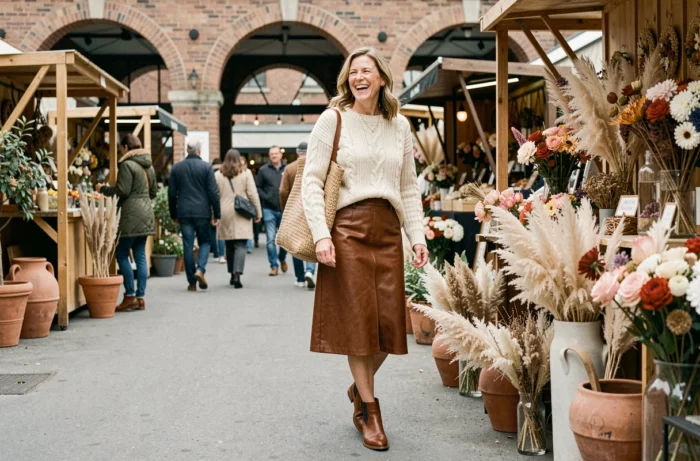
This season’s feminine style is all about precise choices rather than an accumulation of pieces. The anti-fast fashion regulation pushes towards sustainable materials, second-hand offers quality alternatives at reduced prices, and a few well-chosen accessories are enough to update a wardrobe. It’s better to have three pieces that work together than a wardrobe filled with clothes worn only once.